
Making Tax Digital in
Bromley
Bromley's sole traders, from Churchill Square freelancers to High Street therapists, need to be MTD-ready before April 2026.
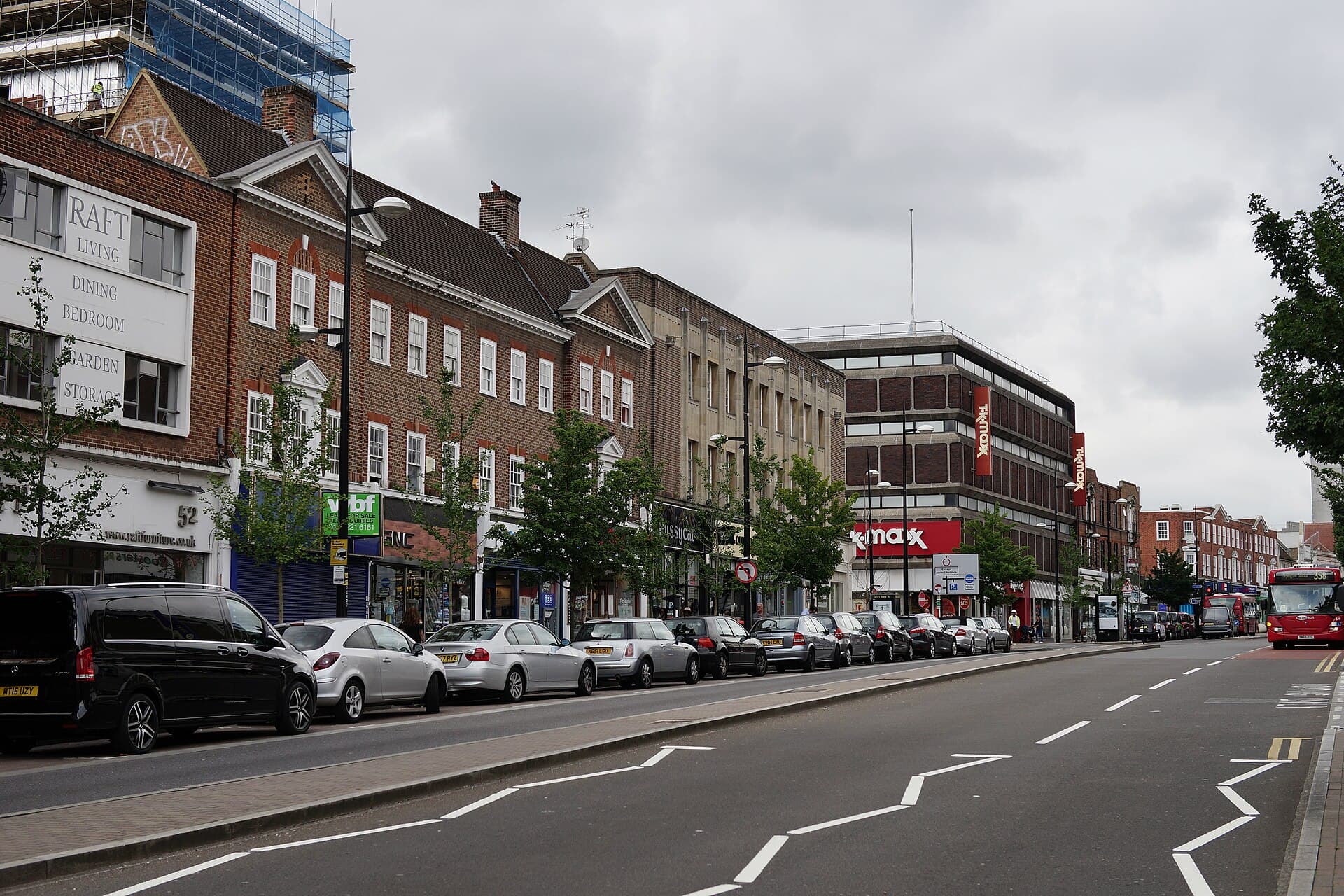
Bromley sits at a curious crossroads: officially a London borough, yet unmistakably suburban in character, with a high street that still draws independent retailers, a sizeable commuter belt that has quietly incubated thousands of self-employed consultants, therapists, tutors, and tradespeople, and a proximity to the M25 that makes it a natural base for sole-trader builders and decorators serving both south-east London and the Kent fringes. If you run your business from Bromley, whether that means invoicing clients from a Beckenham spare room or loading a Transit on the Orpington industrial estate, Making Tax Digital for Income Tax is heading your way, and the first deadline is closer than most people realise.
- MTD for Income Tax
- HMRC's requirement for sole traders and landlords to keep digital records and submit four quarterly updates each year, replacing the single annual Self Assessment return.
From 6 April 2026, any Bromley sole trader whose qualifying income, meaning gross self-employment turnover plus any rental income before expenses, exceeds £50,000 must comply. The threshold drops to £30,000 in April 2027, and to £20,000 in April 2028. Income below £20,000 is not mandated yet. There is no Bromley-specific opt-out, no Local Government exemption, and no grace period for people who have only just heard the name. The rules apply to every qualifying sole trader in England.
- Bromley sole traders earning over £50,000 gross must comply from 6 April 2026, not from their next accounting year.
- Qualifying income includes rental receipts as well as trading turnover, so a Bromley landlord with a side business may be caught sooner than expected.
- You will file four cumulative quarterly updates per year instead of a single annual Self Assessment return.
- HMRC's points-based penalty system means one missed quarterly deadline eventually triggers a £100 fine.
- TapTax imports your bank statements, categorises expenses automatically, and files each update in a single tap.
Who in Bromley Actually Has to Do This?
Bromley's self-employed population skews noticeably towards a particular kind of worker: the professional who left a City or Canary Wharf employer and went independent, the skilled tradesperson who covers Chislehurst, Petts Wood, and Orpington without needing an office, and the growing cluster of wellness and education sole traders serving the borough's family-heavy demographics. Tutors are particularly numerous here; Bromley's grammar school culture means private tuition is a genuine local industry, and many tutors quietly accumulate annual turnovers that will push them past the £30,000 threshold by 2027 if not the £50,000 one by 2026.
If you earn income from more than one self-employed source, HMRC adds them together. A Bromley IT consultant who also earns £8,000 a year from a small rental property and £44,000 from contracting has qualifying income of £52,000, firmly inside the 2026 wave. Before you assume you are safe, it is worth using the sole trader tax calculator to get a clear picture of where your combined income lands relative to each threshold.
If you are a Bromley IT contractor turning over £62,000
Say you work on short-term contracts for financial services clients in the City, living and working from home in Shortlands, and your gross contract income for 2025-26 was £62,000. You are squarely in the April 2026 cohort. Under MTD you will need to file your first quarterly update covering 6 April to 5 July 2026 by 7 August 2026. Miss that deadline, accumulate enough points over subsequent periods, and the penalty is £100. Given your marginal rate is likely 40% higher rate (your tax code will be something like 1257L), getting the quarterly figures right matters for cash flow planning too, not just compliance. TapTax will bring your invoices and imported bank statements together so that 7 August date does not sneak up on you.
The Four Quarterly Deadlines: A Bromley Sole Trader's New Calendar
This is where the practical change really lands. Instead of the familiar 31 January Self Assessment scramble, you now have four in-year filing points, each carrying its own deadline. Crucially, each update is cumulative: you are submitting year-to-date figures, not just the latest quarter in isolation.
| Quarter | Period covered | Filing deadline |
|---|---|---|
| Q1 | 6 April to 5 July | 7 August |
| Q2 | 6 April to 5 October | 7 November |
| Q3 | 6 April to 5 January | 7 February |
| Q4 | 6 April to 5 April | 7 May |
| Final declaration | Full year reconciliation | 31 January |
For a Bromley sole trader already juggling client work, the 7 August date is particularly treacherous. It falls inside summer holidays. Many small-business owners are either taking a break or dealing with the seasonal slowdown in client activity and not thinking about tax at all. Putting a recurring reminder in your phone now, well before you are mandated, is the single cheapest piece of MTD preparation available.
You can read a fuller breakdown of how each period works in the MTD for sole traders guide.
Common Mistakes Bromley Traders Make Before They Are Ready
The most frequent error is treating the qualifying income threshold as net profit rather than gross turnover. A Beckenham-based decorator who grosses £55,000 but takes home closer to £28,000 after materials and van costs is still a 2026 MTD case. HMRC calculates the threshold on what comes in, not what you keep.
The second mistake, especially common among Bromley's professional-services freelancers, is assuming their accountant will handle everything automatically. An accountant can absolutely prepare and file your quarterly updates, but only if you are feeding them clean, timely records. If you are still sending a shoebox of receipts every January, the quarterly rhythm will break that workflow entirely.
A third issue specific to anyone who commutes into the City or lives near the Kent border: mixed business and personal expenses on commuting, mileage, and home-office costs need to be categorised correctly from day one. Errors are harder to unwind across four submissions than across one annual return.
It is also worth double-checking your income tax code is correct before you start, because under MTD your quarterly figures feed directly into HMRC's view of your liability. If your code is wrong, your tax position may look skewed from the first submission. Use the check my tax code tool to verify yours is accurate.
How TapTax Gets Bromley Sole Traders Filing in One Tap
TapTax was built for exactly the kind of time-poor sole trader that Bromley produces in quantity: the person who is brilliant at their actual job, whether that is financial consultancy, plumbing, tutoring, or running a beauty salon in the town centre, but who did not start their business to become an amateur bookkeeper.
Import your business bank statement, and TapTax uses AI to categorise incoming and outgoing transactions automatically. Photograph a receipt on your phone while waiting for the Overground at Bromley South and it is instantly matched to the relevant category. When a quarterly deadline approaches, TapTax assembles the cumulative figures and submits the update to HMRC with a single tap. The free plan costs nothing and requires no card details. There is no reason to reach the 7 August 2026 deadline unprepared.
Getting Ready Now: Your Next Three Steps
MTD compliance is not something to sprint towards in March 2026. The benefit of the system, if you embrace it rather than resent it, is that your books are genuinely up to date throughout the year, which makes quarterly filing trivial and the final January declaration much less painful.
Start by establishing whether you are in the 2026, 2027, or 2028 wave. Use the sole trader tax calculator to add your gross trading income to any rental income and compare the total to each threshold. Then check your tax code is correct via the check my tax code page, because an error now will compound across every quarterly submission. Finally, read through the MTD for sole traders guide so you understand the cumulative nature of each update before your first deadline arrives.
Bromley's self-employed community is large, diverse, and genuinely busy. The traders who treat April 2026 as a distant bureaucratic problem are the ones who will be scrambling at 11 pm on 6 August trying to find a receipt from May. The ones who set it up now will barely notice the change.
People also ask
Bromley's sole traders are already stretched between client work and the commute. MTD does not have to add to that, but only if you get the right software in place before the first quarterly deadline.
Making Tax Digital for sole traders and landlords in Bromley
If you are a sole trader or landlord in Bromley, Making Tax Digital for Income Tax applies to you from 6 April 2026 if your qualifying income is over £50,000, and from 6 April 2027 if it is over £30,000. TapTax keeps your digital records and sends your quarterly updates to HMRC, and it is HMRC-recognised.
Start freeQuarterly expenses under MTD: the £90,000 rule
If your annual business turnover is £90,000 or less, HMRC lets you report a single consolidated expenses total in each Making Tax Digital quarterly update instead of breaking expenses down into itemised categories. Most sole traders in Bromley are under this threshold, so a quarterly update can be as simple as two figures: total income and total expenses. You still need to keep digital records of each individual expense - the relaxation only changes how much detail goes into the quarterly update itself.
Related guides and calculators
MTD guides for nearby areas
Frequently asked questions
Do I need an accountant in Bromley to comply with Making Tax Digital?
You do not legally need an accountant. MTD-compatible software like TapTax allows you to file quarterly updates directly with HMRC yourself. That said, many Bromley sole traders choose to keep an accountant for tax planning and the final declaration, using an app to handle day-to-day record keeping and quarterly submissions.
When does Making Tax Digital for Income Tax start for most Bromley sole traders?
Sole traders with qualifying income above £50,000 must comply from 6 April 2026. The threshold drops to £30,000 in April 2027 and £20,000 in April 2028. Qualifying income means gross self-employment turnover plus gross rental income before any expenses are deducted.
What is the penalty for missing an MTD quarterly deadline?
HMRC operates a points-based penalty system. Each missed quarterly deadline earns a penalty point, and once you reach the threshold for your filing frequency, a financial penalty of £200 applies. Further points bring further penalties, so consistent late filing can become expensive quickly.
Are the MTD income tax thresholds based on profit or turnover?
They are based on gross qualifying income, not profit. That means your total receipts before any business expenses are deducted. A sole trader who grosses £52,000 but nets only £30,000 after costs is still assessed against the £50,000 threshold and must comply from April 2026.
Can I use a spreadsheet for MTD for Income Tax?
A plain spreadsheet is not sufficient on its own. You must use HMRC-recognised MTD-compatible software, or link a spreadsheet to a compliant bridging tool. A dedicated app like TapTax is simpler, imports your bank statements, and files quarterly updates to HMRC without requiring any bridging software.
Sources
Official guidance on GOV.UK.